The average nurse anesthetist salary USA-wide is around $223,210 a year — making certified registered nurse anesthetists (CRNAs) the highest-paid nurses in the country, far above a typical registered nurse in the USA. But that headline hides a huge spread: the same job pays from about $126,000 to over $281,000 depending on the state, the work setting and experience. Here is what CRNAs really earn in 2026, and why the gap is so wide.
This guide breaks down the nurse anesthetist salary USA figures by state, work setting and experience so you can see the full picture.
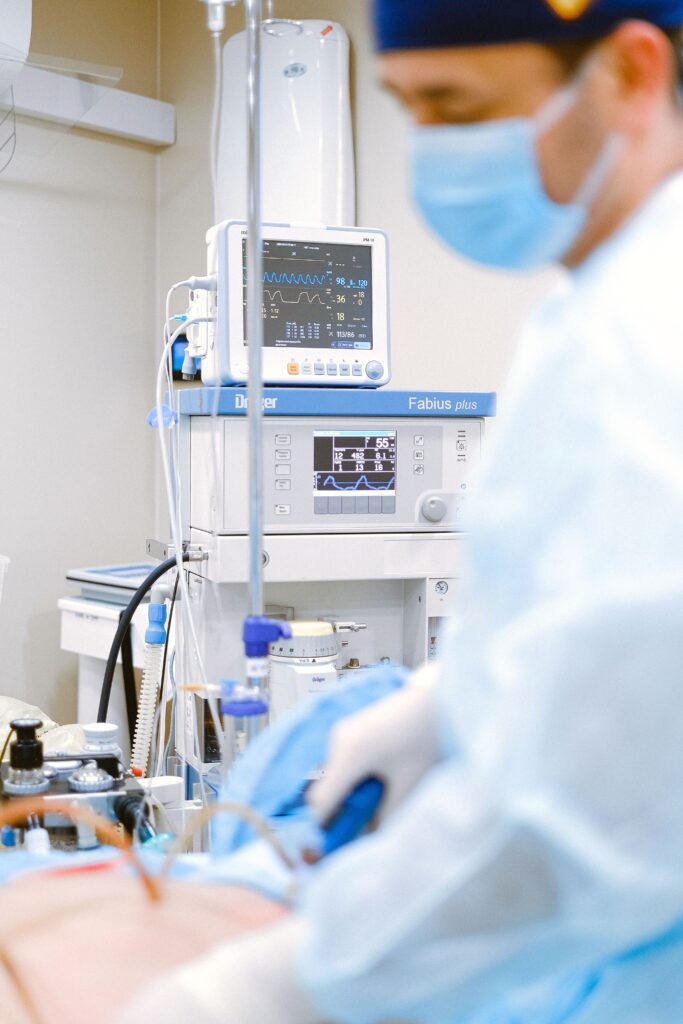
CRNA Salary: How Much More Than a Regular Nurse?
No other nursing role comes close. The median CRNA salary of $212,650 is roughly $119,000 a year more than a typical registered nurse, who earns around $93,600. Over a 30-year career that gap adds up to more than $3.5 million in extra earnings — enough to cover the cost of CRNA school many times over. CRNAs are advanced practice registered nurses (APRNs) who deliver anesthesia, sitting at the very top of the nursing pay scale, above nurse practitioners and midwives. That single difference is why thousands of bedside nurses go back to school each year to make the jump. For the wider context, see the average salary in the USA.
Nurse Anesthetist Salary by State
Where you practice matters more than almost anything else. According to BLS data, a CRNA in Illinois averages $281,240, while one in Utah averages just $125,890 — a gap of more than $155,000 for doing the exact same job. Higher-paying states usually combine strong demand with a higher cost of living, so the headline figure does not always mean more spending power. The table below shows the highest- and lowest-paying states alongside the national average.
| State | Average Annual Salary | Average Hourly |
|---|---|---|
| Illinois | $281,240 | $135 |
| Massachusetts | $272,510 | $131 |
| Montana | $256,460 | $123 |
| New York | $256,160 | $123 |
| Vermont | $254,790 | $122 |
| USA (national average) | $223,210 | $107 |
| Kansas | $184,650 | $89 |
| Idaho | $178,600 | $86 |
| Florida | $176,950 | $85 |
| Alabama | $173,370 | $83 |
| Utah | $125,890 | $61 |
For the high-demand states not shown above, separate 2026 estimates from Salary.com land in the same premium range: California ~$268,000, New Jersey ~$263,000, Minnesota ~$249,000, Michigan ~$239,000, Texas ~$237,000, Ohio ~$237,000 and Georgia ~$234,000. Within a state, big metro areas pay the most — Houston, the New York–Newark–Jersey City corridor and Minneapolis–St. Paul are among the top-paying regions. Numbers differ by source, so treat them as ranges, not exact figures.
CRNA Salary by Work Setting
The type of employer has a real effect on pay. Outpatient care centers tend to pay the highest average wage, even though they employ only a small share of CRNAs, followed by specialty hospitals and then general medical and surgical hospitals. At the lower end are colleges and universities, where CRNA educators trade some salary for a teaching schedule. Office-based anesthesia — plastic surgery, dental and podiatry suites — typically pays around $200,000, while CRNAs who take on independent contracts can push well beyond that.
CRNA Salary by Experience
Like most advanced roles, CRNA pay starts high and climbs fast:
- New graduate — around $145,000–$180,000 a year, with most of the rise
- Experienced (5+ years) — comfortably into the $200,000s, especially with a specialty.
- 1099 / independent contractor — often grosses $250,000+ through locum and high-demand assignments.
- Subspecialties — pediatric cardiac and neuro-anesthesia sit at the very top of the range.
Compared with other well-paid careers, that puts CRNAs far above an accountant in the USA or a skilled electrician in the USA — proof that the nursing route can lead to genuine six-figure security.
CRNA vs Anesthesiologist: Is It Worth It?
Anesthesiologists are medical doctors and typically earn substantially more — often well over $300,000 a year — but the path is far longer: medical school plus a multi-year residency, usually a decade or more of training. A CRNA reaches the $200,000+ level through a nursing degree, ICU experience and a doctoral anesthesia program. For many nurses, the CRNA route offers most of the clinical work and a top-tier salary without the time and debt of medical school, which is exactly why demand for the role keeps growing.
Why CRNAs Are Paid So Much
Three things keep the nurse anesthetist salary USA average so high.. First, the training barrier: it now takes a doctorate (DNP/DNAP) plus thousands of clinical hours, so qualified CRNAs are scarce. Second, autonomy: in “opt-out” states CRNAs can administer anesthesia without physician supervision, making them the primary anesthesia provider in many rural hospitals. Third, demand: an aging population means more surgeries, and the BLS projects employment to grow about 9% this decade — much faster than average, adding roughly 4,600 new openings.
How much do nurse anesthetists make a year?
The average is $223,210 a year (median $212,650), or about $107 an hour, according to the U.S. Bureau of Labor Statistics.
Which state pays CRNAs the most?
Illinois tops the BLS list at around $281,240, followed by Massachusetts, Montana, New York and Vermont — all above $254,000.
How much does a new-grad CRNA earn?
Entry-level pay usually starts between $145,000 and $180,000, then rises quickly over the first five years of practice.
Those figures are gross. What actually reaches your bank account depends on your state: the same salary can differ by thousands between Texas and California. Run yours through our US take-home pay calculator — it uses 2026 IRS brackets and the real rate schedule for every state that levies an income tax.
For the official figures, check the U.S. Bureau of Labor Statistics. Curious how other careers compare? See what a teacher earns in the USA.