The median dental hygienist salary USA professionals earn is $94,260 a year in 2026 — about $45.32 an hour — according to the U.S. Bureau of Labor Statistics (BLS). But the real headline isn’t the number, it’s what it takes to get it: dental hygiene is arguably the best-paid healthcare career you can enter without a four-year degree.
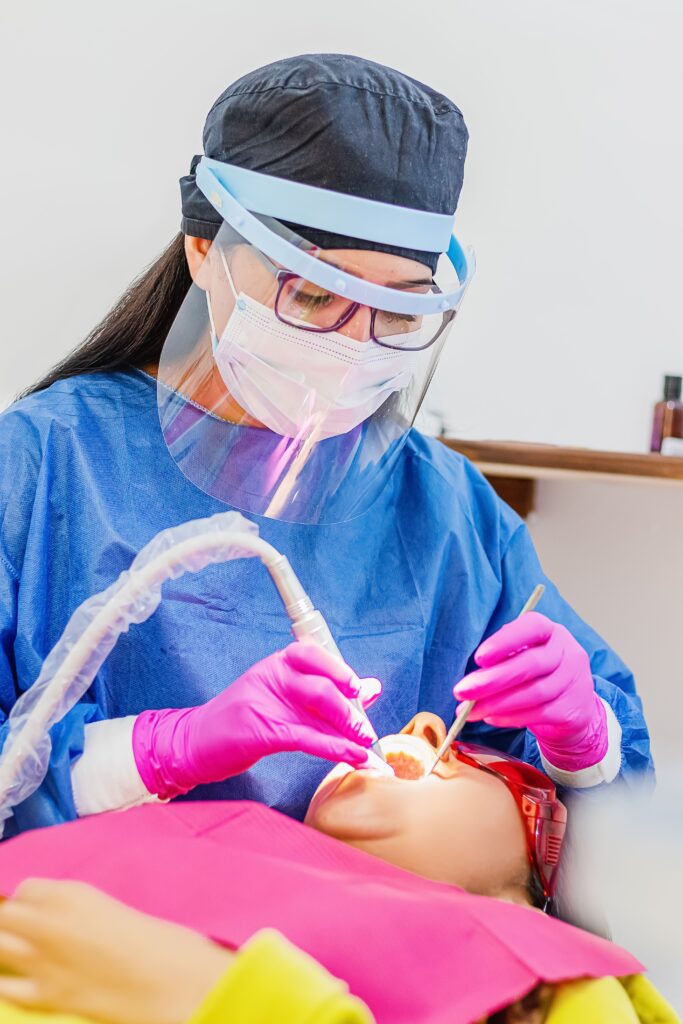
Six-figure-adjacent pay with a 2-year degree
Most jobs paying $90,000+ demand a bachelor’s or graduate degree. Becoming a dental hygienist takes an associate degree in dental hygiene (2–3 years), the national board exam and a state license — no medical school, no four years of tuition, and far less student debt. State licensing fees average only around $190, a negligible fraction of first-year pay, so the return on the credential is one of the best in healthcare. The median beats what many bachelor’s graduates earn after double the schooling.
There’s another perk that rarely shows up in salary charts: flexibility. Many dental hygienists work three or four days a week, making the effective hourly value of the job one of the strongest in the field.
Dental hygienist salary by experience
Pay rises steadily with experience and credentials:
- Entry level (new graduate) — around $60,000–$75,000, higher in top-paying states where new grads can start at $70K–$85K.
- Mid-career — around the national median of $94,260; the best-paid 25% clear $102,920.
- Experienced / top 10% — $120,060+, especially in high-demand states.
Work setting matters too: private dental practices typically pay more than government or clinic roles, and hygienists who pick up extra days or specialise can push earnings higher.
Dental Hygienist Salary USA by State
Location has a dramatic effect on the dental hygienist salary USA average. The top-paying state, Washington ($123,510), pays nearly $57,000 more than the lowest-paying states — almost double for the same work:
| State | Average salary | Per hour |
|---|---|---|
| Washington | $123,510 | $59.38 |
| California | $118,330 | $56.89 |
| Alaska | $115,980 | $55.76 |
| Oregon | $102,000 | $49.04 |
| District of Columbia | $100,000 | $48.08 |
| New York | $97,000 | $46.63 |
| Colorado | $94,000 | $45.19 |
| Texas | $78,000 | $37.50 |
| Florida | $72,000 | $34.62 |
| Alabama | $66,000 | $31.73 |
The West Coast and Northeast lead the way, driven by high demand and cost of living, while parts of the South sit well below the national median. Many top-paying states also have expanded scope-of-practice laws that let hygienists perform more procedures independently, which lifts both demand and pay. That said, lower-paying states often come with a much lower cost of living, so real purchasing power can be closer than the headline numbers suggest.
How dental hygienist pay is structured
How you’re paid matters as much as the state you’re in. Three models dominate: a flat hourly rate (the most common, and what the BLS hourly figure reflects), a percentage of production or collections (typically 30–35%, which rewards a busy schedule and can lift a strong hygienist well above the median), and a hybrid base-plus-percentage. On top of that, the post-pandemic hygienist shortage has pushed employers — especially large dental groups — to offer sign-on bonuses and license-fee reimbursement to fill chairs. When comparing two offers, look past the headline rate to the compensation model, days per week, and benefits.
Why the dental hygienist salary USA keeps rising
The dental hygienist salary USA figures have climbed steadily — roughly 5% a year over the past five years — for structural reasons that aren’t going away. There’s a genuine shortage of licensed hygienists; private-equity-backed dental service organisations (DSOs) are consolidating practices and competing hard on pay; and more states keep expanding what hygienists are allowed to do, from local anesthesia to direct access. Hygienists who add certifications in local anesthesia, nitrous oxide or laser therapy qualify for higher rates where those procedures fall within scope. With the BLS projecting 9% job growth through 2033 — much faster than average — upward pressure on wages is set to continue.
Is becoming a dental hygienist worth it?
For a fast, affordable route into a well-paid, stable healthcare career, it’s one of the strongest options in the USA. You reach a median of $94,260 with a two-year degree, demand is growing 9%, the work can’t be outsourced, and the schedule is famously flexible. The honest trade-offs: it’s repetitive, physically demanding work — wrist, neck and back strain are real long-term issues — and the degree and licensing carry an upfront cost before you earn a cent.
Frequently asked questions
How much do dental hygienists make an hour in the USA?
The median is about $45.32 an hour in 2026, ranging from roughly $31/hour in lower-paying states to nearly $60/hour in Washington and California.
Do you need a degree to become a dental hygienist?
You need an associate degree in dental hygiene (typically 2–3 years), the national board exam and a state license — but not a four-year bachelor’s or medical school, which is why the pay-to-education ratio is so strong.
What’s the highest-paying state for dental hygienists?
Washington leads at around $123,510 a year, followed by California ($118,330) and Alaska ($115,980).
Those figures are gross. What actually reaches your bank account depends on your state: the same salary can differ by thousands between Texas and California. Run yours through our US take-home pay calculator — it uses 2026 IRS brackets and the real rate schedule for every state that levies an income tax.
Want the bigger picture? See our full breakdown of the average salary in the USA, or check official figures at the BLS Occupational Outlook Handbook.
Related jobs in the USA: compare what a teacher, a registered nurse, an electrician, and an accountant earn.