
Radiologic technologists, the X-ray techs who make up the largest workforce in medical imaging, earn a median of $80,110 a year ($38.52 an hour), according to the Bureau of Labor Statistics’ May 2025 survey. That puts the typical radiologic technologist salary in the USA well above the $50,980 median for all jobs, but it hides a huge spread: entry-level techs start in the mid-$50,000s, while the top 10% clear $118,660 — and the gap is driven less by luck than by two things you control, your state and your ARRT credentials.
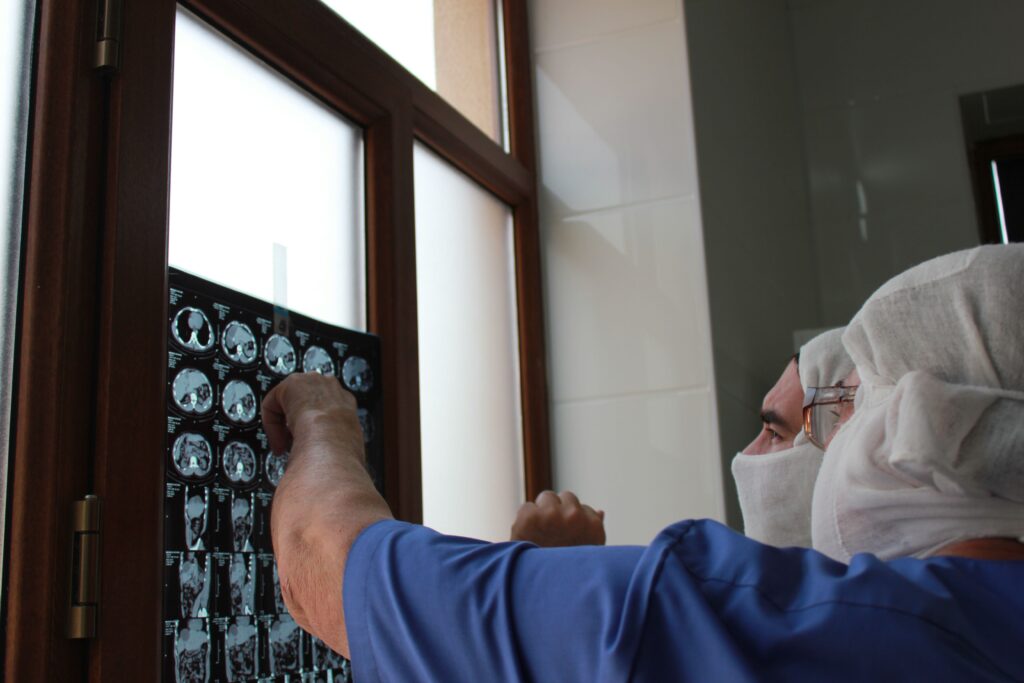
The biggest job in imaging, and what that means for pay
With about 230,000 jobs, radiologic technology employs more people than MRI, sonography and nuclear medicine combined. That scale is why the median sits lower than in the specialised modalities: rad techs cover everything from rural clinics to large trauma centres. The middle 50% land between roughly $65,000 and $99,000, with the bottom 10% near $55,980 and the top 10% above $118,660.
Demand is steady: the BLS projects about 5% job growth through 2034, fuelled by an ageing population needing more diagnostic imaging and ongoing retirements. For an individual tech, the two levers that move pay most are specialising and relocating.
Pay by state: where rad techs earn the most
Location is the single biggest lever on your paycheck. California leads the country at a median of $121,260, roughly double what techs earn in Mississippi ($59,300) and Alabama ($60,700). Massachusetts, Washington, D.C., Oregon, Washington and Hawaii also clear $100,000, and Alaska sits just below at $98,920, though high living costs eat into the advantage. The table below shows median pay in every state.
| State | Median annual salary | Median hourly wage | Average annual salary |
|---|---|---|---|
| California | $121,260 | $58.30 | $117,950 |
| Massachusetts | $103,620 | $49.82 | $101,910 |
| District of Columbia | $102,770 | $49.41 | $98,860 |
| Oregon | $102,290 | $49.18 | $99,630 |
| Washington | $102,090 | $49.08 | $100,900 |
| Hawaii | $101,700 | $48.89 | $93,140 |
| Alaska | $98,920 | $47.56 | $96,670 |
| New York | $98,470 | $47.34 | $99,000 |
| New Jersey | $95,000 | $45.67 | $93,240 |
| Vermont | $94,540 | $45.45 | $91,630 |
| Connecticut | $91,970 | $44.22 | $93,530 |
| Arizona | $89,200 | $42.89 | $90,020 |
| Colorado | $87,760 | $42.19 | $89,470 |
| Maryland | $85,890 | $41.29 | $88,260 |
| Rhode Island | $85,330 | $41.02 | $88,750 |
| New Hampshire | $84,910 | $40.82 | $87,410 |
| Delaware | $84,210 | $40.49 | $83,340 |
| Minnesota | $83,400 | $40.10 | $87,270 |
| Nevada | $82,910 | $39.86 | $88,620 |
| Utah | $81,000 | $38.94 | $81,930 |
| Virginia | $80,670 | $38.78 | $83,160 |
| Idaho | $80,080 | $38.50 | $79,940 |
| Maine | $80,080 | $38.50 | $80,760 |
| New Mexico | $79,940 | $38.44 | $79,810 |
| Illinois | $79,930 | $38.43 | $80,770 |
| Wisconsin | $79,140 | $38.05 | $79,400 |
| Texas | $78,630 | $37.80 | $78,060 |
| Ohio | $78,320 | $37.65 | $76,890 |
| Wyoming | $77,860 | $37.43 | $79,080 |
| Indiana | $77,640 | $37.33 | $74,980 |
| Montana | $77,070 | $37.05 | $74,610 |
| Florida | $76,750 | $36.90 | $74,760 |
| Michigan | $76,420 | $36.74 | $74,020 |
| Kansas | $76,070 | $36.57 | $74,580 |
| Pennsylvania | $76,050 | $36.56 | $74,740 |
| Georgia | $74,550 | $35.84 | $76,120 |
| North Carolina | $74,450 | $35.79 | $74,770 |
| Oklahoma | $74,160 | $35.65 | $72,490 |
| West Virginia | $74,150 | $35.65 | $73,780 |
| Missouri | $73,080 | $35.14 | $73,150 |
| Nebraska | $72,860 | $35.03 | $74,600 |
| Kentucky | $69,670 | $33.50 | $72,840 |
| South Carolina | $69,600 | $33.46 | $71,970 |
| North Dakota | $67,790 | $32.59 | $72,690 |
| Iowa | $65,930 | $31.70 | $69,640 |
| South Dakota | $65,240 | $31.36 | $69,740 |
| Tennessee | $64,630 | $31.07 | $68,990 |
| Louisiana | $63,680 | $30.61 | $66,240 |
| Arkansas | $63,640 | $30.60 | $67,880 |
| Alabama | $60,700 | $29.18 | $60,800 |
| Mississippi | $59,300 | $28.51 | $59,090 |
All figures are official BLS estimates for May 2025, ranked by median annual salary. Every state and Washington, D.C. is included.
The ARRT modality boost: how MRI and CT raise your salary
A radiologic technologist starts with general X-ray (radiography), but the real pay jumps come from stacking ARRT certifications in additional modalities. An MRI technologist earns a median of roughly $95,480 — about $15,370 more per year than a general rad tech. Over a 20-year career that single credential is worth more than $200,000. CT and mammography certifications carry similar premiums. So if you’re wondering how to reach the top of the pay range, the answer is usually a second or third modality, not just more years on the job.
Rad tech vs ultrasound tech: which pays more?
People often compare these two imaging careers because the training timeline is similar. Diagnostic medical sonographers (ultrasound techs) earn a median of $96,590, about $16,500 more than general radiologic technologists, largely because ultrasound is a single specialised skill from day one, while rad techs start broad and specialise later. A multi-modality rad tech can close most of that gap: MRI technologists earn a median of $95,480. If you’re weighing the two, see our full breakdown of the ultrasound technician salary USA guide, or compare directly with the MRI technologist salary USA.
Frequently asked questions
Is a radiologic technologist the same as a radiologist?
No. A radiologist is a medical doctor (MD) who interprets images and earns a physician’s salary. A radiologic technologist is an ARRT-credentialed professional who operates the imaging equipment and performs the scans — a two-year associate degree path, not medical school.
How long does it take to become a rad tech?
Most techs complete a two-year associate degree accredited by JRCERT, then pass the ARRT certification exam. Additional modalities like MRI or CT are earned afterward, on the job, and are what push rad tech pay toward six figures.
Do rad techs earn more in hospitals or outpatient centers?
Outpatient imaging centers often post a slightly higher median than hospitals, but hospitals typically offer stronger benefits, shift differentials and tuition reimbursement. The headline pay is close; the total package is where they differ.
For the full ranking of clinical roles, see the highest paying healthcare jobs in the USA, or how $80,110 compares with every job in the country in our guide to the average salary in the USA. The BLS covers the training, licensing and job outlook for radiologic and MRI technologists in its Occupational Outlook Handbook.